KKDIK consulting
Core guide set for KKDIK registration, only representative workflows, and regulatory updates.

Topics
Jump into the service pages and featured guides for KKDIK, SEA, labeling, and SDS workflows.
KKDIK consulting
Core guide set for KKDIK registration, only representative workflows, and regulatory updates.
SEA notification
Focused cluster for SEA notification, classification, CLP updates, and labeling decisions.
Chemical labeling
Guide line for chemical labeling, CLP / SEA updates, and label revision work.
SDS software
Guides focused on SDS software, MSDS authoring tools, and workflow automation.
SDS / MSDS service
Featured content for SDS authoring, revisions, and multilingual document workflows.
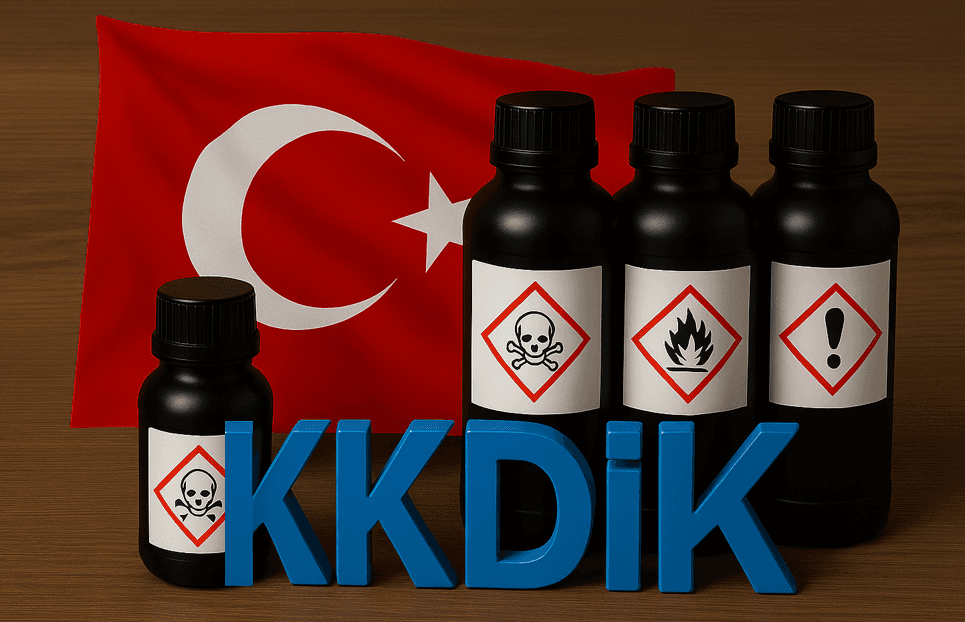
The Ministry of Environment, Urbanization and Climate Change has released a critical update regarding Individual Temporary Registration obligations. Companies must now finalize registrations for all substances—regardless of tonnage—by the strict deadline of September 30, 2026.
Continue Reading ->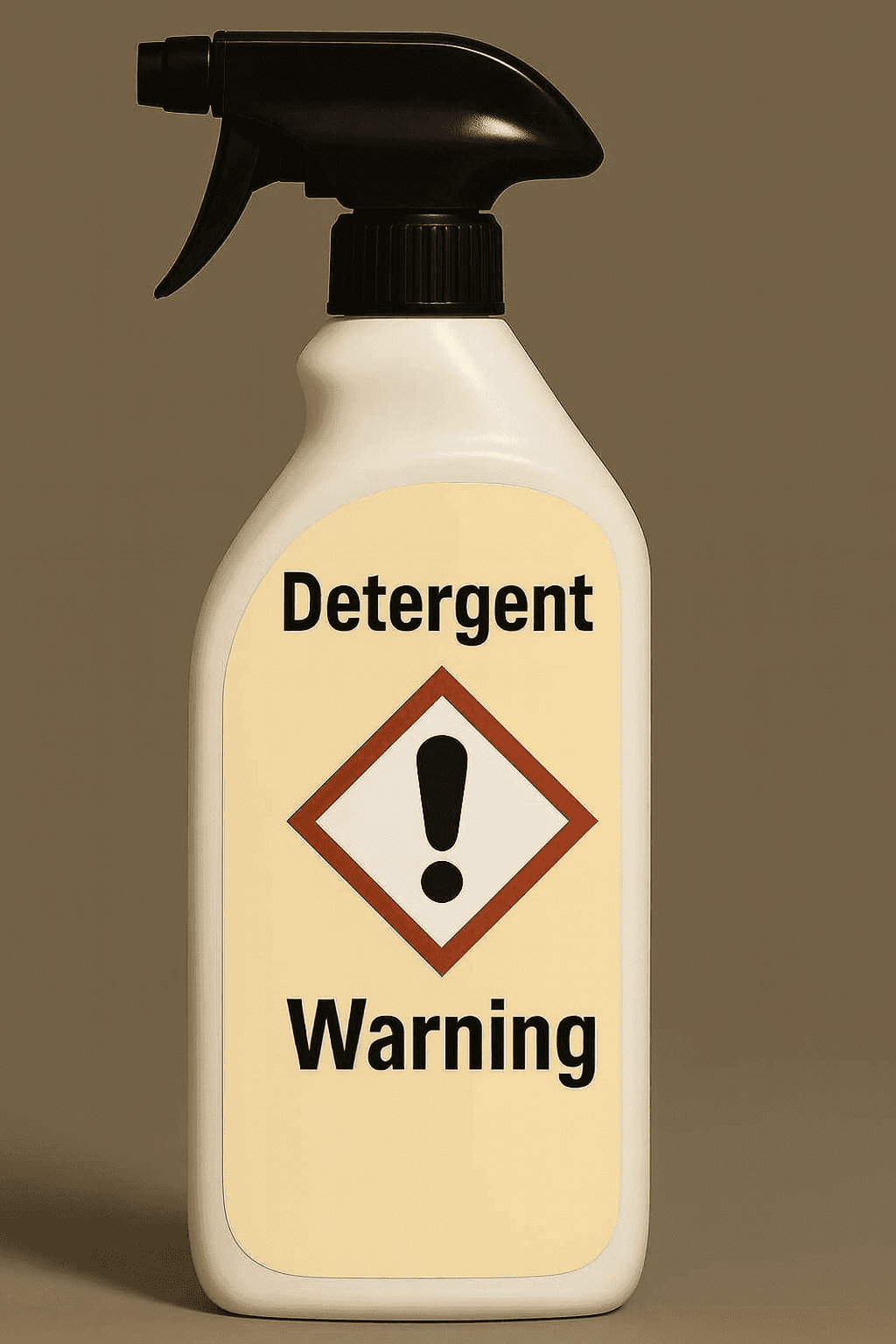
On 2 March 2026, the European Parliament officially published Regulation (EU) 2026/405, establishing a comprehensive new framework for detergents and surfactants. This regulation replaces the long-standing Detergents Regulation (EC) No 648/2004, ushering in a new era centred on modernisation, digitalisation, and consumer safety.
Continue Reading ->
On 23.06.2017, KKDIK Regulation ( Registration, Evaluation, Authorization and Restriction of Chemicals) was published in the Official Gazette numbered 30105 by Environment and Urbanization Ministry.
Continue Reading ->The long-awaited “Procedures and Principles Regarding the Implementation of the KKDİK Regulation” were published by the Ministry of Environment, Urbanization and Climate Change on August 12, 2025.
Continue Reading ->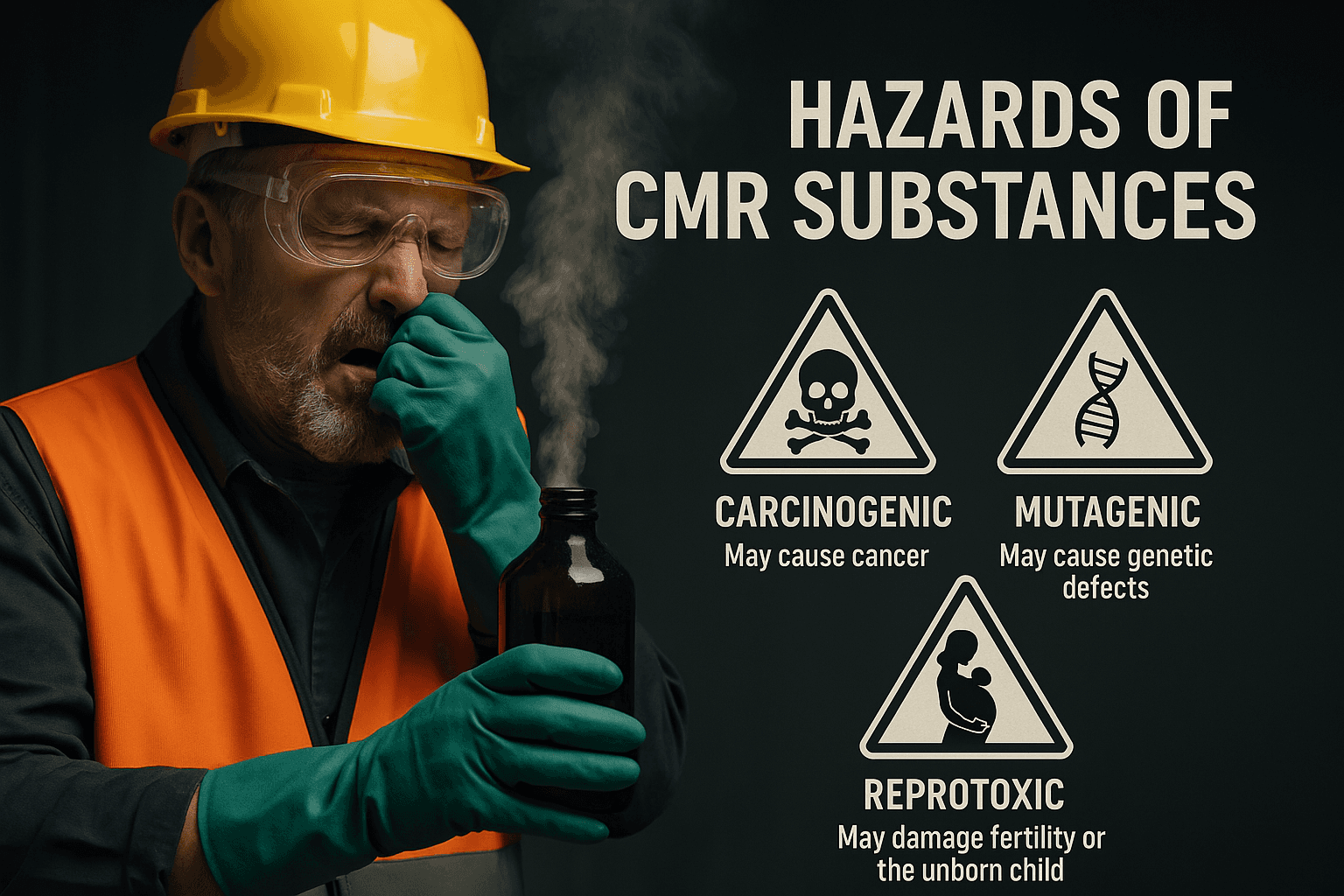
Carcinogenic, mutagenic, and reprotoxic (CMR) substances pose significant risks to human health. These chemicals can cause cancer, genetic mutations, or impair reproductive functions. Within the European Union, the use, handling, and labeling of CMR substances are strictly regulated to ensure worker safety and public health.
Continue Reading ->
ATP 21 (Adaptation to Technical Progress 21) is one of the technical adaptations issued under the EU CLP Regulation (EC No 1272/2008). It ensures that the classification and labeling of chemical substances are updated in line with scientific developments.
Continue Reading ->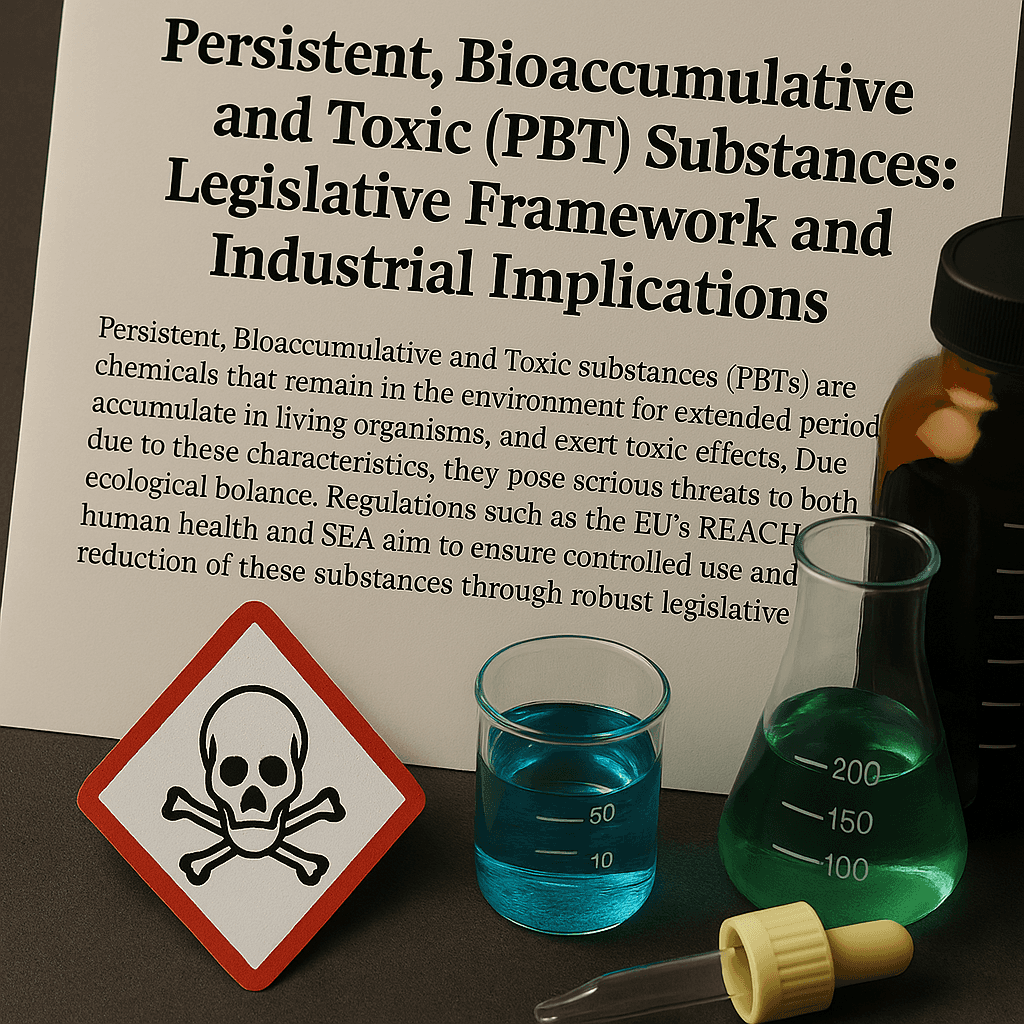
Persistent, Bioaccumulative and Toxic substances (PBTs) are chemicals that remain in the environment for extended periods, accumulate in living organisms, and exert toxic effects. Due to these characteristics, they pose serious threats to both human health and ecological balance.
Continue Reading ->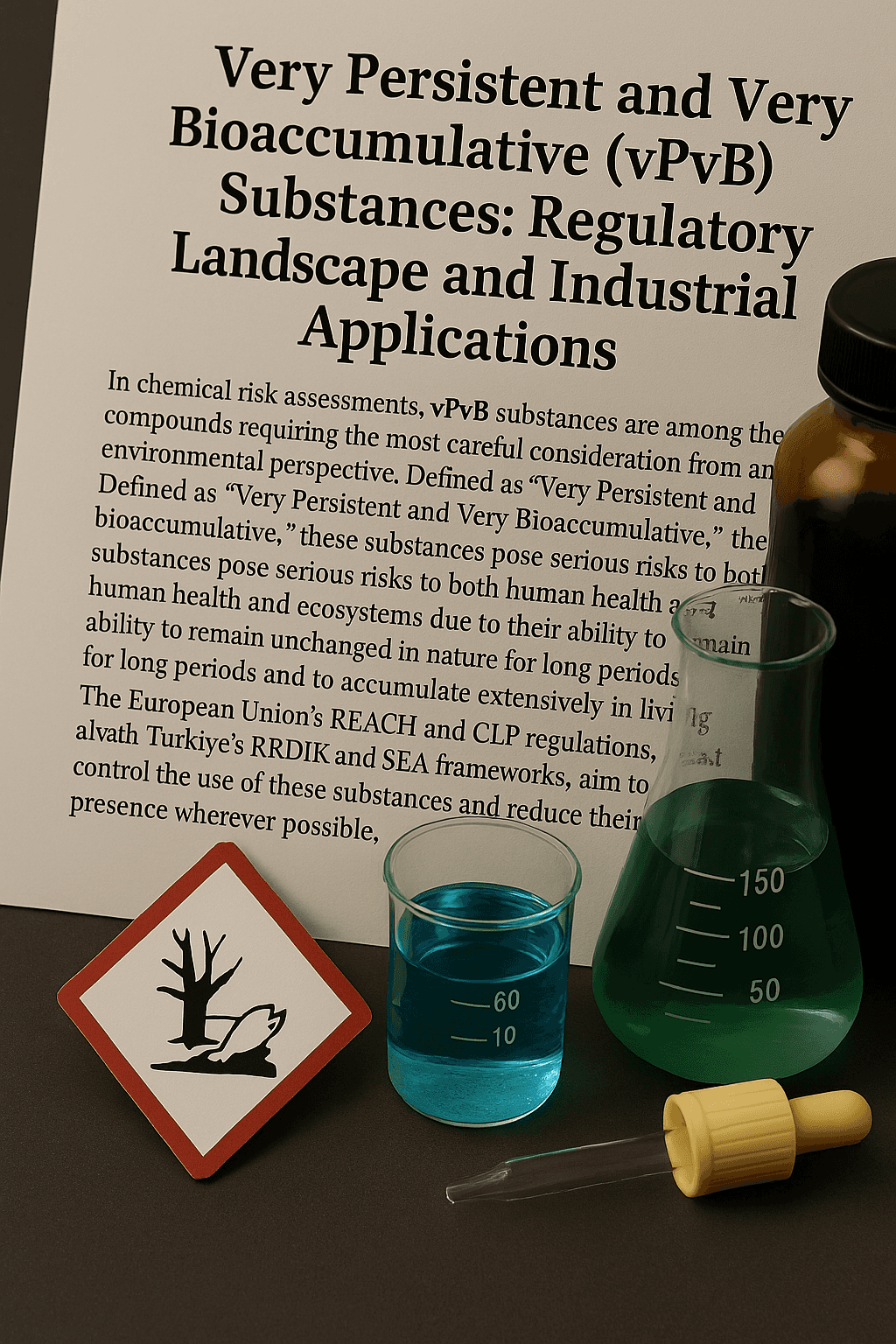
In chemical risk assessments, vPvB substances are among the compounds requiring the most careful consideration from an environmental perspective. Defined as “Very Persistent and Very Bioaccumulative,” these substances pose serious risks to both human health and ecosystems due to their ability to remain unchanged in nature for long periods and to accumulate extensively in living organisms.
Continue Reading ->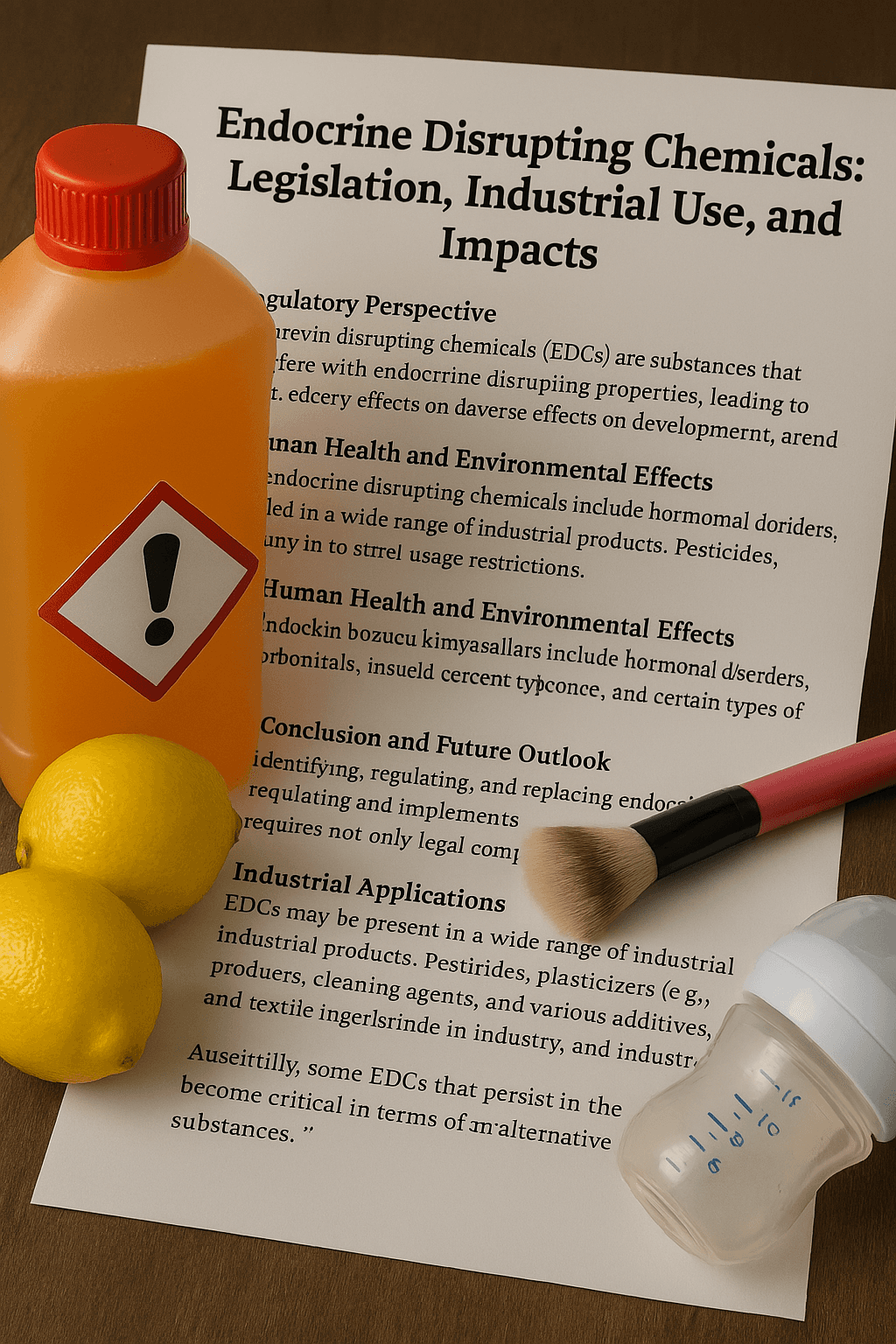
Endocrine disrupting chemicals (EDCs) are substances that interfere with the hormonal system, leading to adverse effects on development, reproduction, and immune function in living organisms.
Continue Reading ->
Substances of Very High Concern (SVHC) are chemical substances identified under the European Union's REACH (Registration, Evaluation, Authorisation, and Restriction of Chemicals) regulation.
Continue Reading ->
Preparing a Safety Data Sheet (SDS) involves creating a comprehensive document that details the properties, safety measures, and environmental impacts of hazardous chemicals.
Continue Reading ->
The Poison Center Notification (PCN) is a system mandated under the EU's CLP (Classification, Labelling, and Packaging - - Regulation (EC) No 1272/2008) Regulation, requiring hazardous(physicochemical and/or health) chemical mixtures to be reported to relevant poison centers before being placed on the market.
Continue Reading ->
Persistent Organic Pollutants (POPs) are chemicals that can remain in the environment for a long time without breaking down and can accumulate in biological systems.
Continue Reading ->
The registration deadlines under the KKDİK Regulation are determined based on the annual tonnage and hazard classification of chemical substances.
Continue Reading ->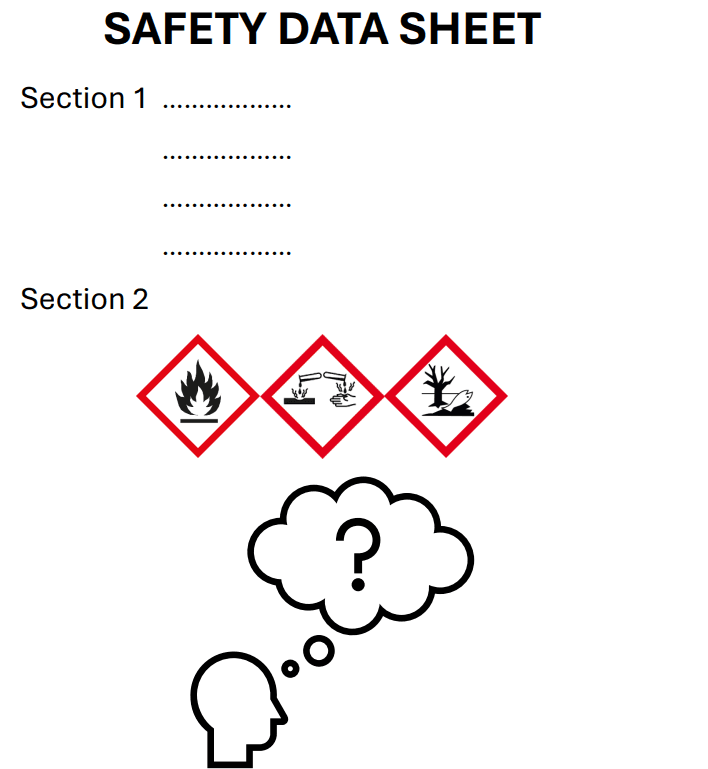
Safety Data Sheet (SDS) is a comprehensive document designed to ensure the safe use of chemical substances, protect workers health, and minimize environmental impact.
Continue Reading ->
Classification, Labelling, and Packaging (CLP - Regulation (EC) No 1272/2008) is a European Union framework designed to ensure that the hazards of chemical substances and mixtures are clearly communicated to workers and consumers.
Continue Reading ->
The Unique Formula Identifier (UFI) code is a unique identification code used to ensure the safety of chemical mixtures and enable swift responses during emergencies.
Continue Reading ->
The Unique Formula Identifier (UFI) code is essential for compliance with the European Union’s CLP (Classification, Labelling, and Packaging) Regulation. Its absence can lead to serious consequences both legally and for chemical safety.
Continue Reading ->